


Paramorph: A foundation model for autonomous neural network optimisation
Trained with multi-agent reinforcement learning, Paramorph is a neural network that adapts how other neural networks train, while they train. It's the first layer of Recurvia's RL-powered infrastructure stack.
The Scale of Frontier AI
Frontier AI now runs at industrial scale, and every inefficiency is priced at that scale. The numbers make the case.
10T
Parameter count for today's frontier models
10x
Forecast growth in AI compute demand
5000+
MWh per day to power a frontier cluster
$10B+
Development cost of a frontier model programme
500K+
Tonnes CO₂e per year from a frontier cluster
10²⁶
FLOPs in a single frontier training run
100K+
H100/B300-class GPUs in a frontier cluster
100PB+
Training data behind frontier models
Compute is the constraint. Autonomous, real-time optimisation is the solution.
As models scale, compute has become the defining constraint in AI, and advances in hardware are outstripped by increases in demand. Every gain now carries industrial costs in capital, energy, and time. The industry's default answer is more hardware and more compute: slow to arrive, expensive to run, and rationed at exactly the moment it's needed most. Recurvia is building AI-powered technologies which enable organisations of all sizes to extract more from the compute they already have.
The Scaling Problem
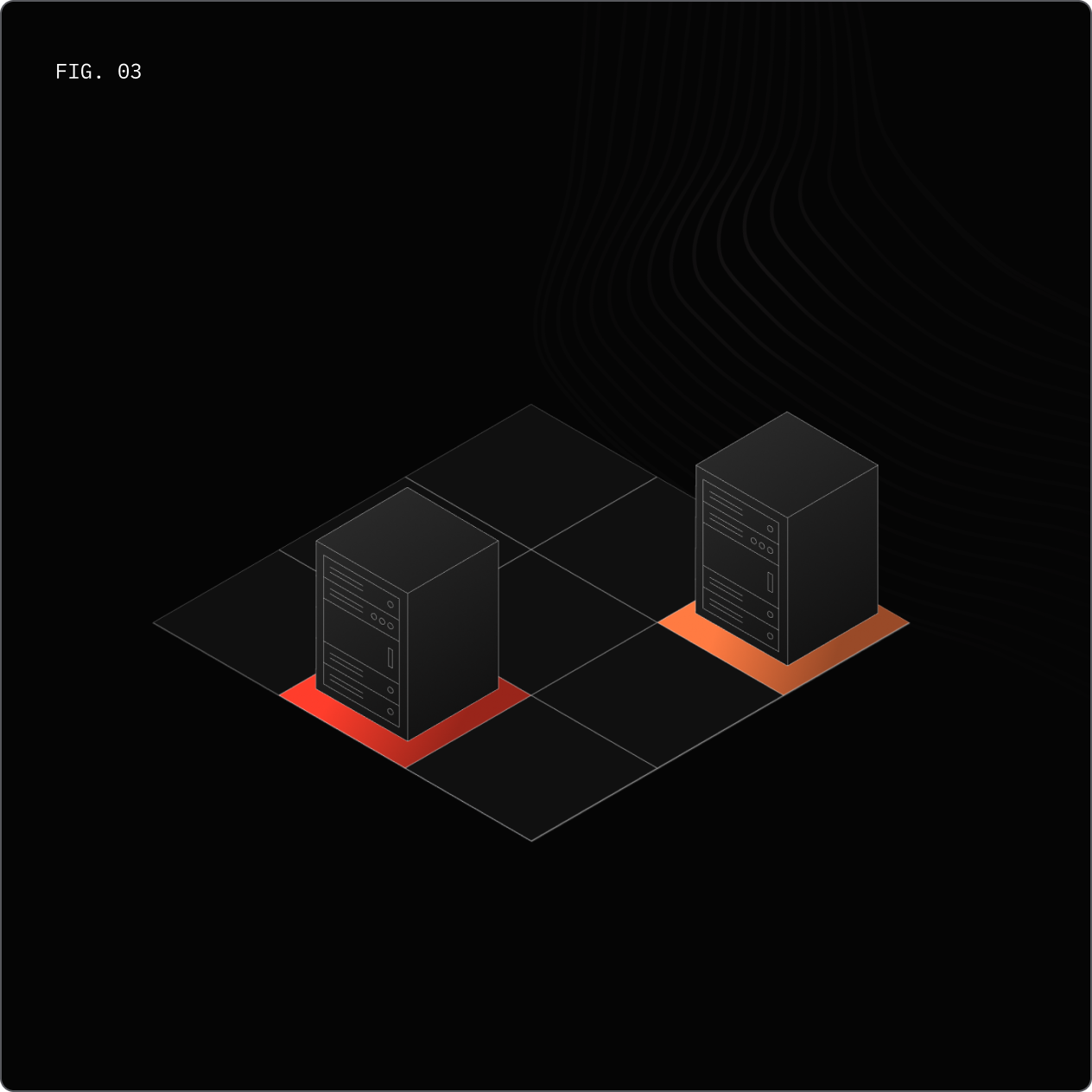
At frontier scale, every configuration choice compounds. A run is shaped by many interacting decisions - optimiser settings, learning rate schedules, and drop-out rates - most of them fixed before training begins and expensive to revisit once it starts. When they're wrong, the costs are industrial: stalled convergence, wasted epochs, abandoned runs. And the standard remedies don't scale with the models. Sweeps burn compute on runs that exist only to be discarded; expert intuition doesn't transfer cleanly across architectures, workloads, and hardware.
The Paramorph Approach
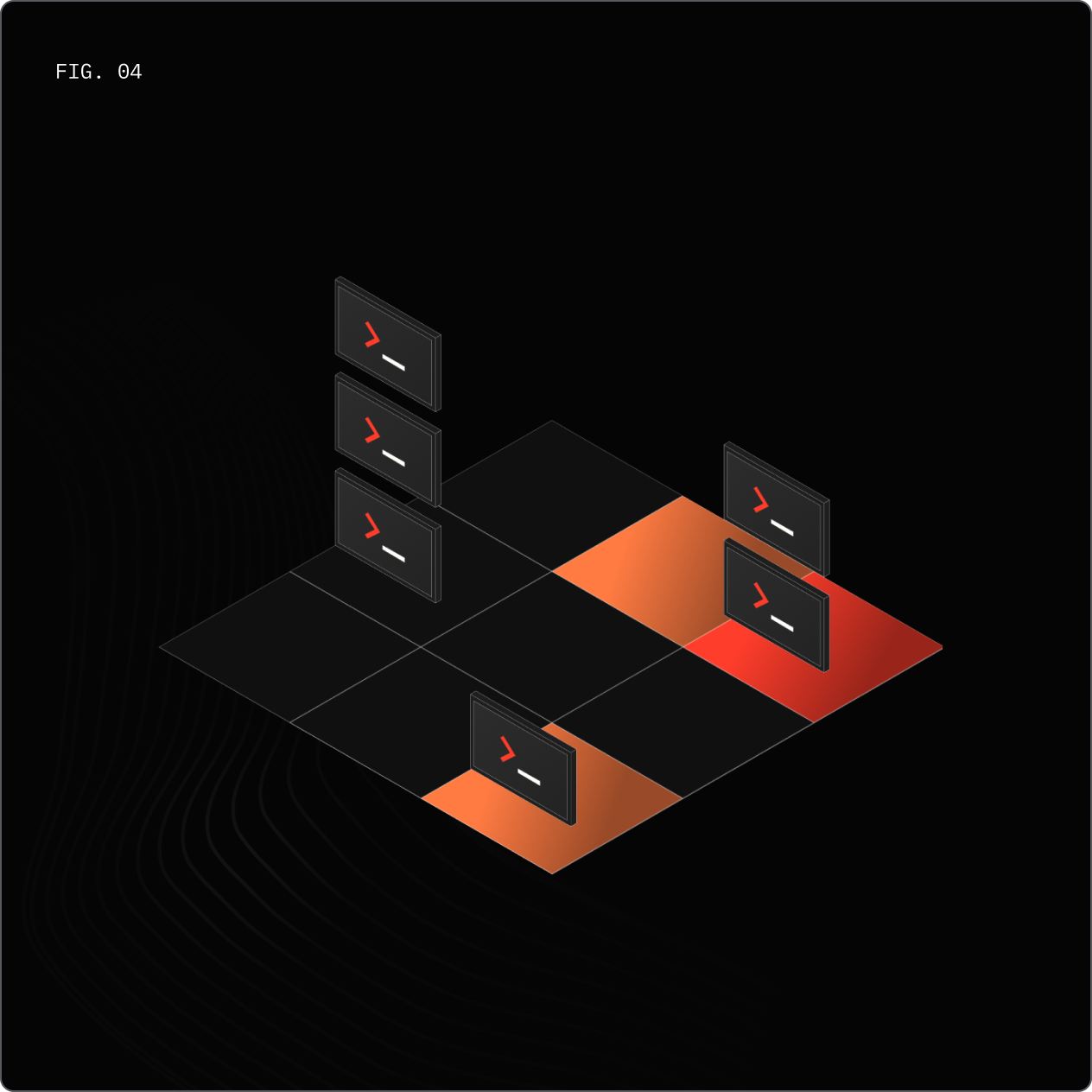
Paramorph replaces configuration with control. Instead of fixing hyperparameters before a run and hoping, it adjusts them while the run unfolds, coordinating them as they interact, in response to the training dynamics it reads in real time. Itself a foundation model trained with multi-agent reinforcement learning, Paramorph brings a trained policy to a problem previously handled by search and intuition: specialised agents steering optimisation across layers and timescales as conditions change.
Paramorph is designed to deliver:
- faster convergence, on less compute
- fewer sweeps
- shorter research cycles
- better final models
Optimisation as Intelligence
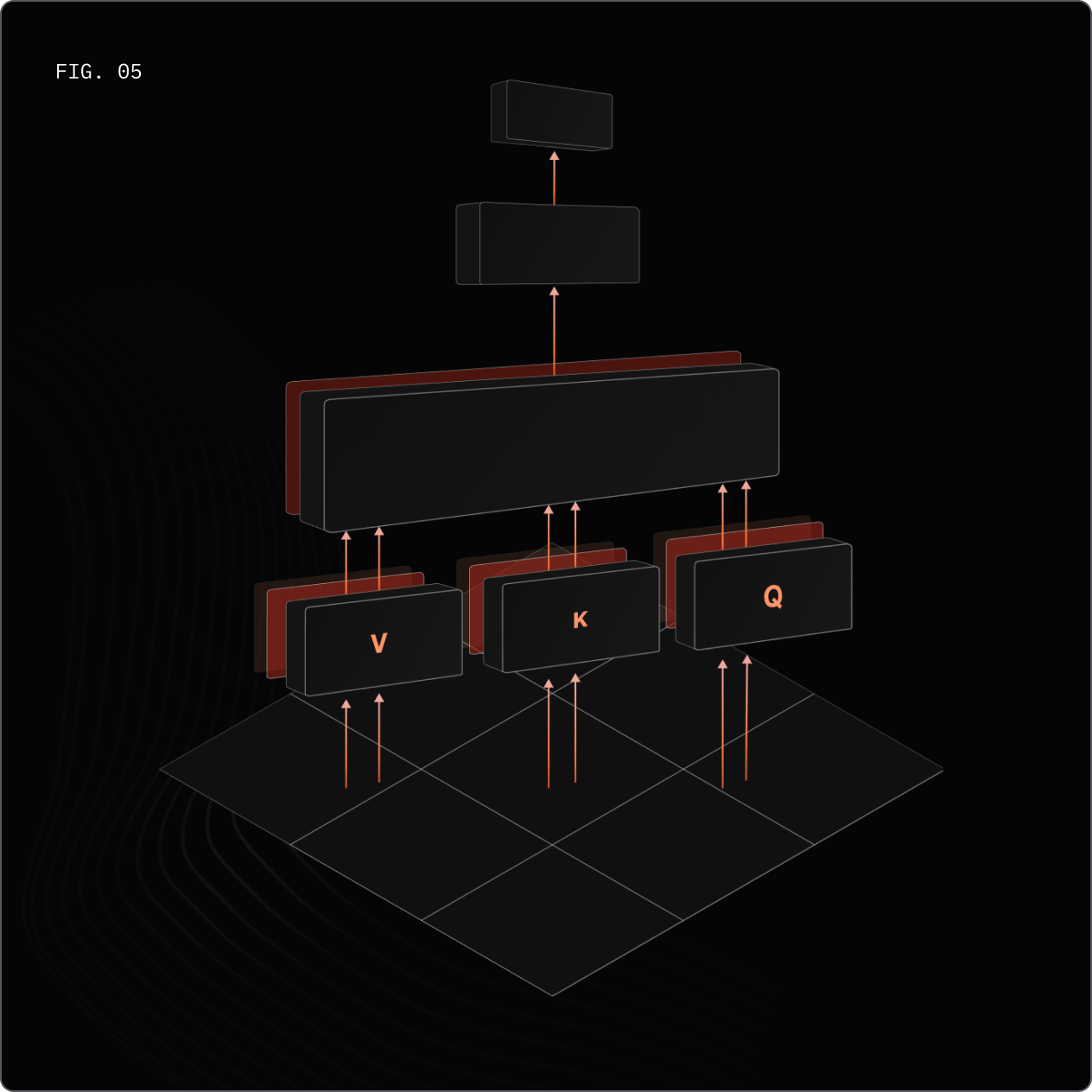
Optimisation has always been a craft: defaults, heuristics, and hard-won intuition, re-derived by every team for every new model and every new dataset. Paramorph treats it instead as a sequential decision making problem, and solves it with reinforcement learning. Once learned, its policies carry across architectures and workloads, where intuition never transfers. And unlike heuristics, a learned optimiser keeps improving, generation over generation.
Beyond human capability. Under human authority.
Hyperparameters interact, and those interactions shift as training unfolds. Human intelligence is not well suited to steering that coupled, high dimensional in real time. Paramorph is an artificially intelligent optimiser built from the ground up to do precisely that, adjusting multiple hyperparameters together, continuously, with a learned understanding of how each affects the rest. That power is usable precisely because it is governed and fully observable; you set the envelope it operates in, and command and oversight stays with you.
.webp)

You set the envelope
Paramorph is built to make thousands of adjustments across a run, every one of them inside an envelope you define: what it may adjust, by how much, and when. Every intervention is logged as it happens, inspectable afterwards, and revertible at any point.

Nothing to rebuild
Paramorph joins the training loop you already run.
- drops into existing training code without refactoring
- works with common ML frameworks and custom pipelines
- native support for layer-wise control
- runs alongside your current tooling

The future of AI will be self-optimising.
Paramorph is built for that future.